Category Archives: temperature quilt

Highs & Lows of 2021 and 2022

Two of my long-term projects were completed in 2023. You can read about the initial process in this post where I describe the layout, fabric selection and piecing methods used in two temperature quilts.

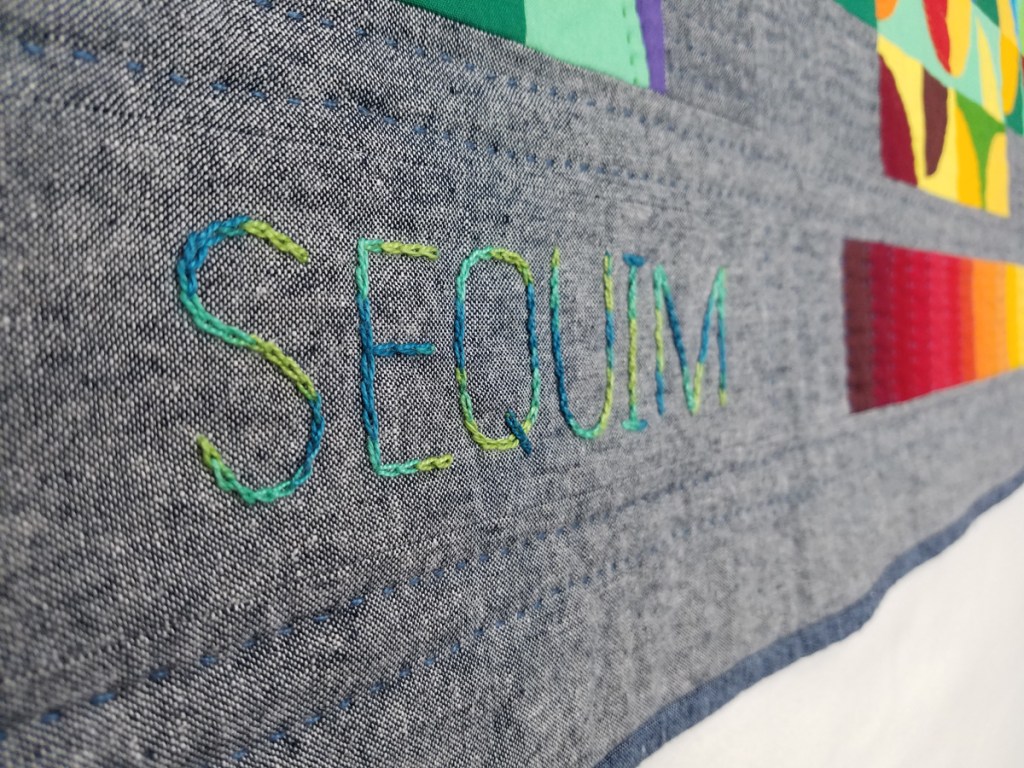
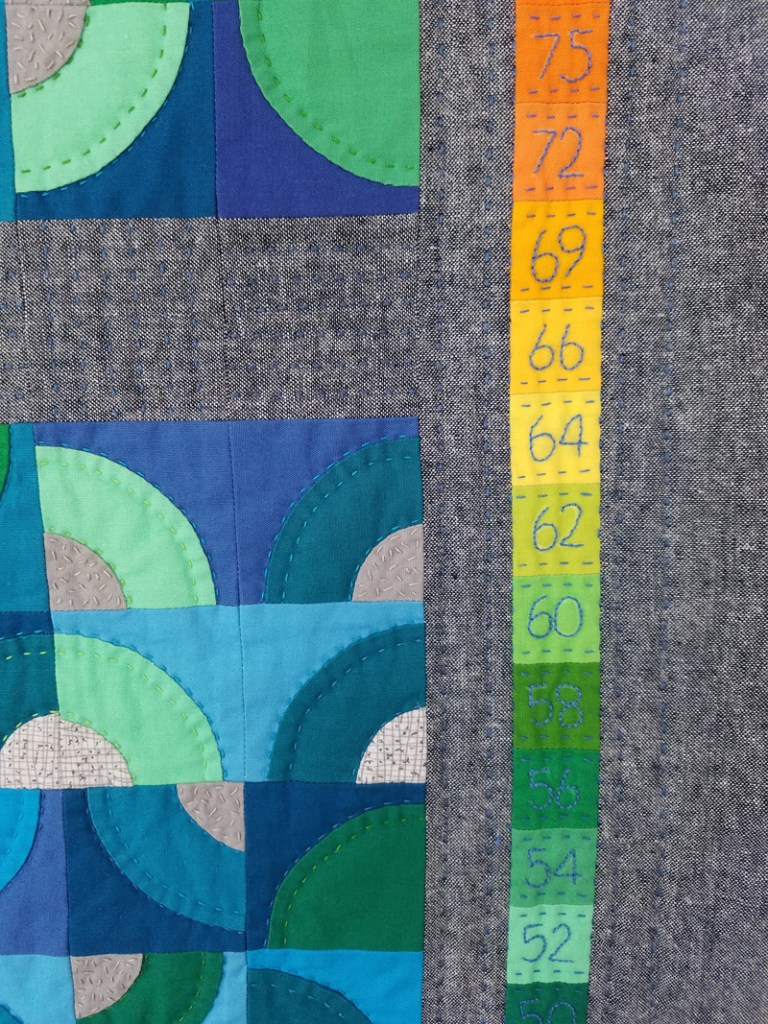
Once the top was finished, it took a good portion of 2022 and 2023 to complete the quilting on my first temperature quilt. I used a combination of thread weights and it was time consuming to stitch around all those quarter circles. I also added embroidery to show the temperature ranges and to indicate the year and location of the temperature data.
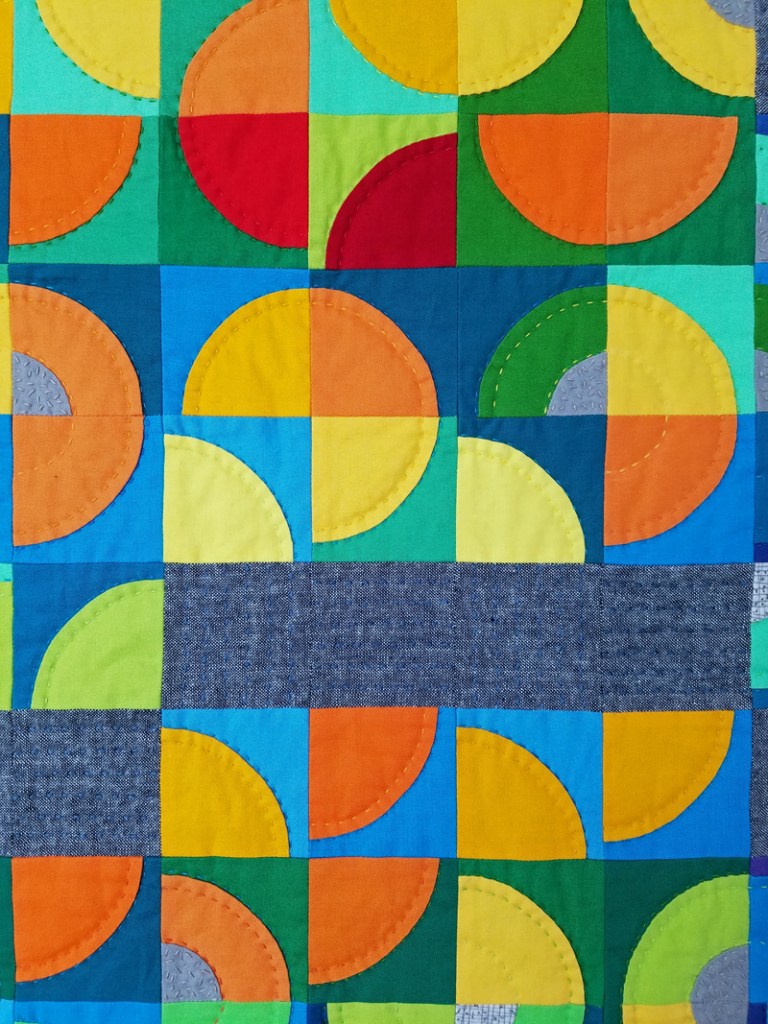
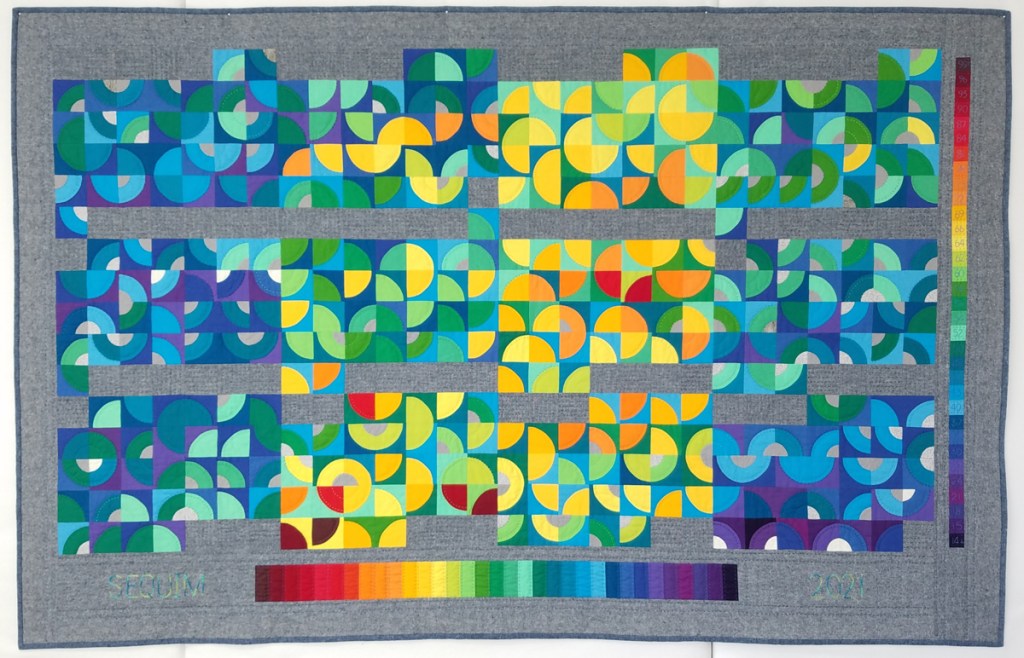
High & Lows of 2021

67″ x 43″

Linen and commercial cottons

8 wt and 12 wt perle cotton

Hand and machine pieced

Hand quilted

The second temperature quilt was made with scraps from the previous quilt and each day’s temps are recorded in a one inch block. The quilt was finished using a combination of knot tying and hand quilting. The colonial knots are on the front and the surgical ties are on the back. I love the texture this created on both sides.

Highs & Lows of 2022

33″ x 22.5″

Linen and commercial cottons

8 wt perle cotton

Hand and machine pieced

Hand quilted and tied

Both of these quilts made their debut at the Pacific International Quilt Festival in Santa Clara in October 2023. It was an honor for each of them to receive an award for “Best Hand Workmanship” in their separate categories (from different sets of judges).

To date, I have now completed four quilts created by hand piecing a daily block over the course of a year. (A Squircle a Day and For the Love of Squircles are the other two.) I’ve started a new daily hand stitching project in 2024. Time will tell if it lasts 100 days or 365 days!

Temperature Quilt 2021

After seeing all of the temperature quilts appearing on Instagram, I couldn’t resist joining in on the fun. I love these daily projects that slowly accumulate over the course of a year. Both of my squircle quilts were made in this fashion.

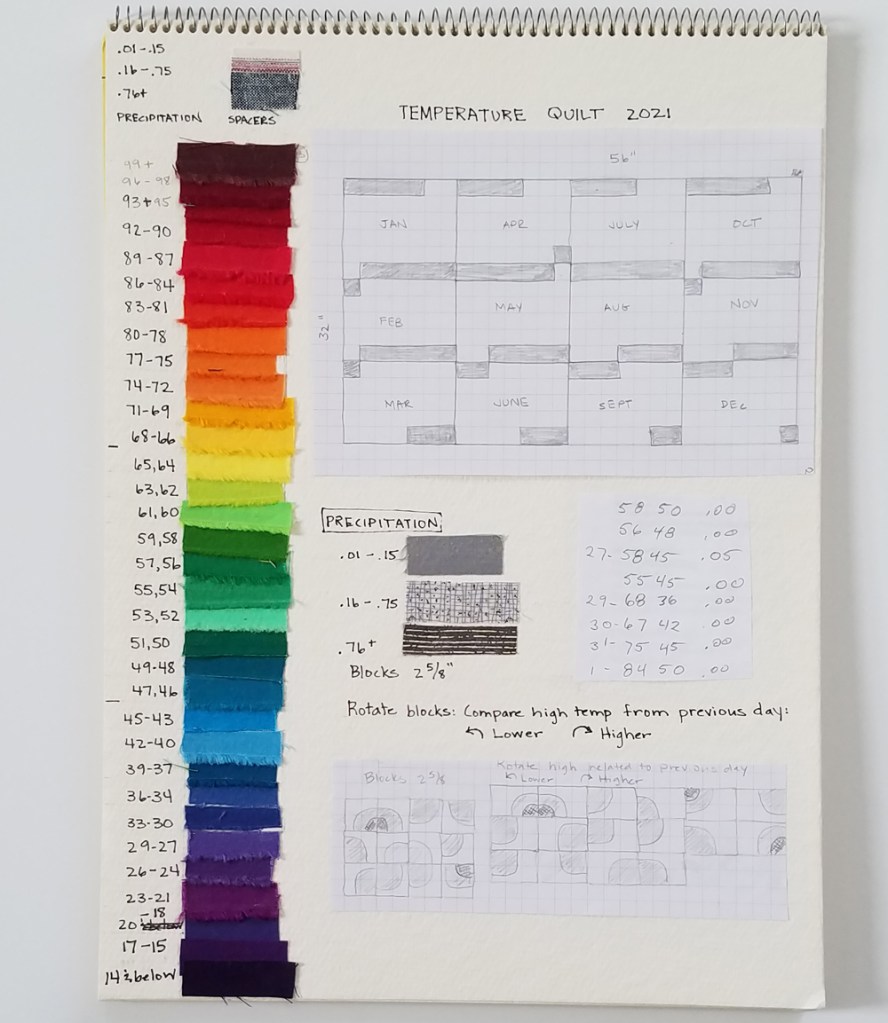
Our weather is rather mild here in Sequim, so when I made my key, I chose to do 3 degree intervals except for our most frequent range where I used 2 degree intervals. Despite living in Western Washington, our weather is drier due to the rain shadow effect from the Olympic Mountains. A neighborhood weather station on Weather Underground gave me a very local source of data. Each morning, my husband recorded the data for me, making it a collaborative effort.

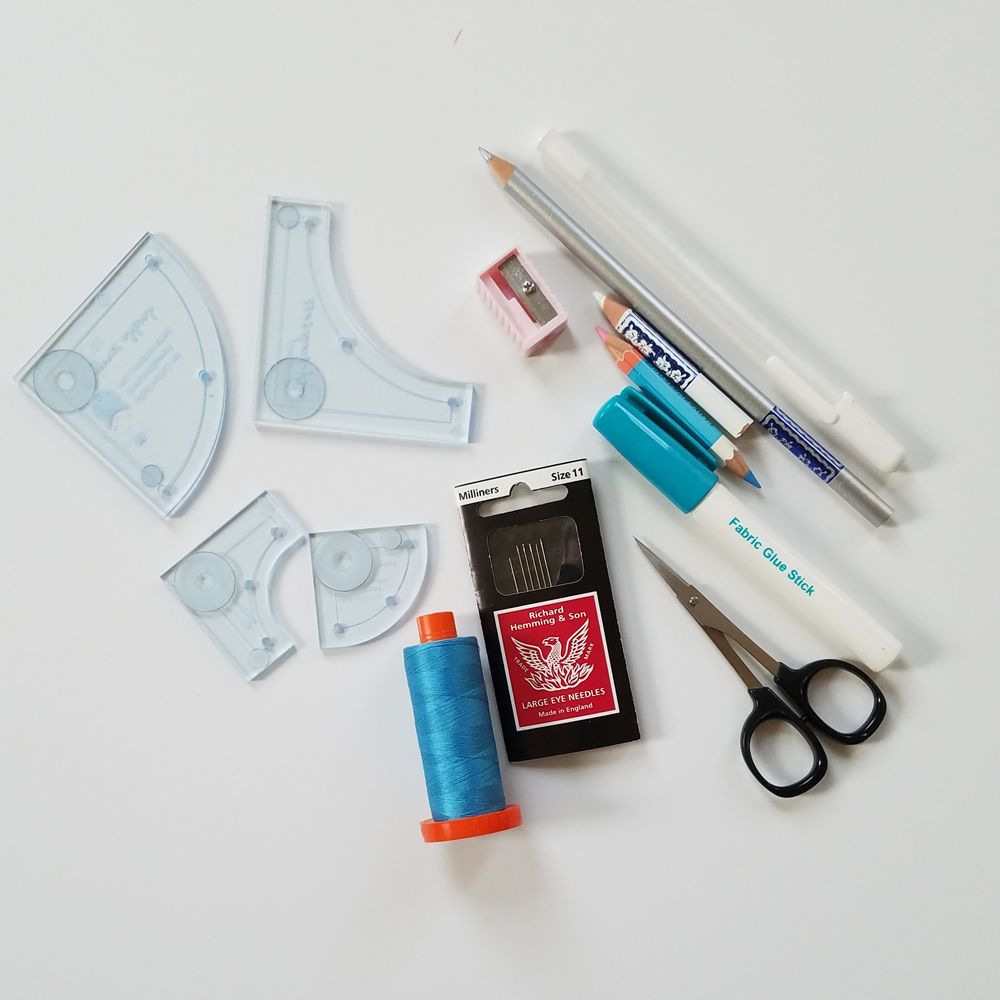
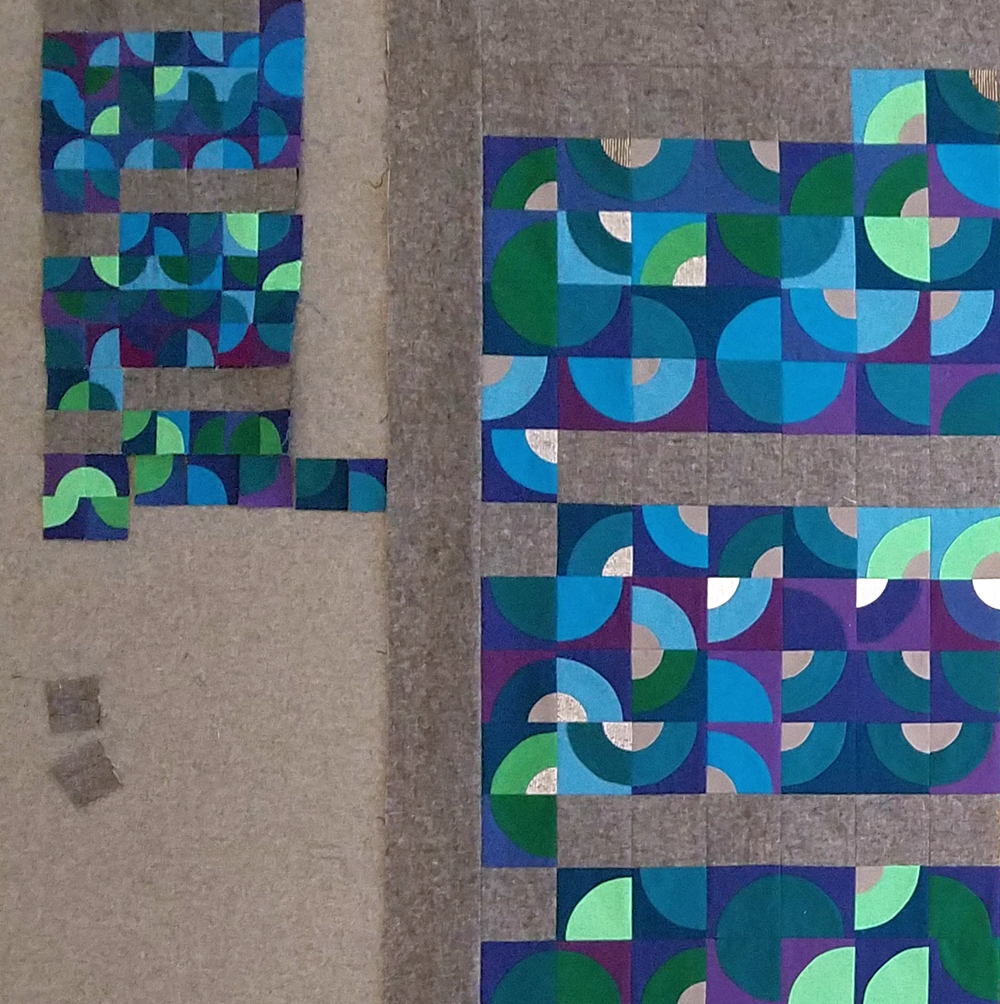
I used my quarter circle templates from Jen Carlton Bailly for the daily units. The convex shape represents the highs, the concave the lows and the smaller curve shows the amount of precipitation. I traced all of the shapes, cut them out with scissors and pieced them by hand. To provide movement to the design, the blocks are rotated based on their relationship to the previous day’s high temperature.

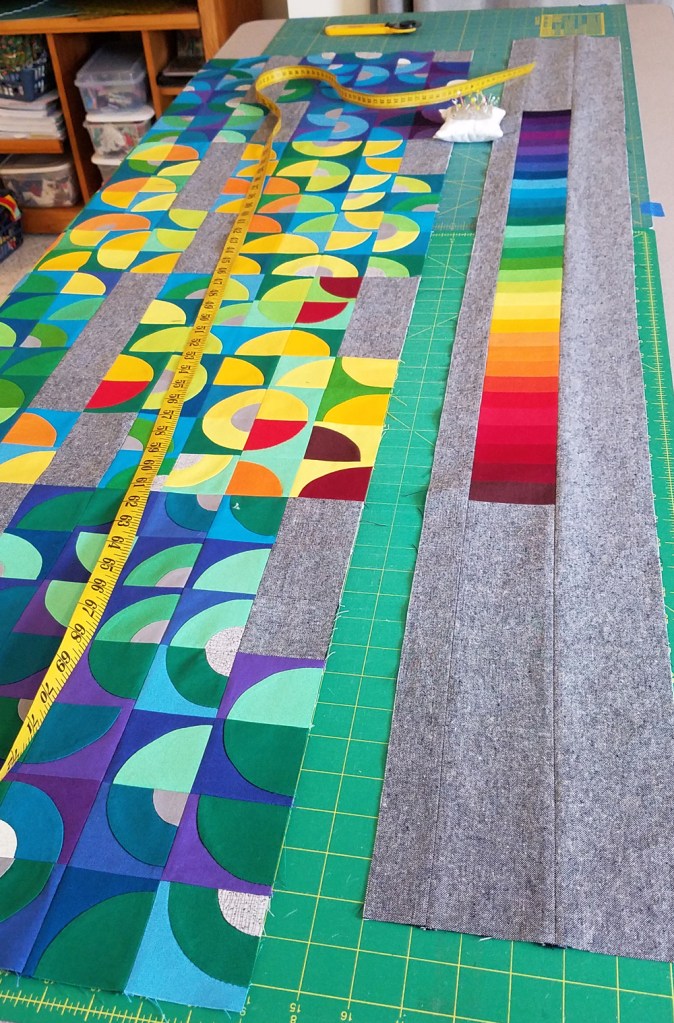
A calendar layout makes it easy to find specific dates. The blocks were assembled by machine each month allowing me to take them down and free up space on the design wall. On January 1st, I had all the blocks assembled.

And then it stalled. I couldn’t decided where to put the key, how to do the borders, etc. Finally this weekend I dedicated some time to do the work I’d been avoiding and I now have a finished top!

Postscript: I had a lot of scraps from the concave pieces that were just the right size to do a smaller version for 2022. I’m using the same rules as last year without the precipitation component. These units finish at one inch and are pretty cute if I do say so myself. Here’s a photo for size comparison.